Gut Health in 2026: What Does a Healthy Gut Really Mean?
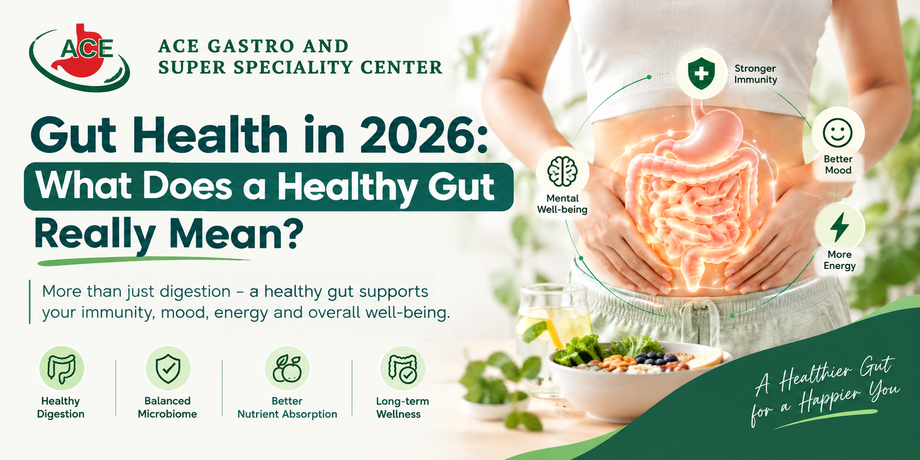
Gut health has become an important part of conversations about overall wellness in 2026. But having a healthy gut means more than simply avoiding stomach pain or taking probiotics. The digestive system involves the stomach, intestines, liver, pancreas, and a complex community of microorganisms known as the gut microbiome. A healthy gut generally supports comfortable digestion, regular bowel movements, and the effective absorption of nutrients.
For people looking for expert guidance about persistent digestive concerns, consulting the Best Gastroenterologist in Jaipur, such as Dr. Sushil Kumar Jain at ACE Gastro Super Speciality Clinic, can help identify whether symptoms are related to lifestyle or an underlying gastrointestinal condition.
What Does a Healthy Gut Really Mean?
A healthy gut does not look exactly the same for everyone. Some people may have bowel movements once or twice a day, while others may have a different but consistent pattern. What matters is regularity, comfortable digestion, and the absence of persistent symptoms.
A healthy digestive system should generally allow you to eat a balanced diet without frequent bloating, abdominal discomfort, unexplained diarrhea, constipation, or heartburn. It should also absorb essential nutrients effectively and maintain a balanced relationship with the microorganisms living in the digestive tract.
Why Is the Gut Microbiome Important?
The gut microbiome contains a large community of microorganisms that interact with the digestive system. Some microorganisms help break down components of food and contribute to the production of useful compounds.
Diet plays an important role in supporting a diverse and healthy microbiome. Fiber-rich foods such as vegetables, fruits, whole grains, pulses, and other plant foods provide substrates that gut microorganisms can use. Dietary fiber is also associated with bowel regularity and other health benefits.
Fermented foods, including some types of yogurt and other traditionally fermented foods, may also contain live microorganisms. However, not every fermented food should automatically be considered a probiotic, and probiotic supplements are not equally beneficial for everyone.
How Can You Support Gut Health in 2026?
Healthy gut habits do not have to involve complicated diets or expensive supplements. Start with practical lifestyle choices:
- Eat a varied diet containing vegetables, fruits, whole grains, and pulses.
- Increase fiber gradually if your current intake is low.
- Stay adequately hydrated throughout the day.
- Include suitable fermented foods as part of a balanced diet.
- Limit excessive intake of highly processed foods and added sugars.
- Eat meals mindfully rather than frequently overeating.
- Stay physically active and maintain a healthy routine.
- Avoid unnecessary use of medicines, particularly antibiotics, unless prescribed.
There is no single food or supplement that can guarantee perfect gut health. Individual digestive conditions can also require specific dietary approaches, so extreme elimination diets or self-prescribed supplements are not always appropriate.
When Should You See a Gastro Doctor?
Occasional gas, mild bloating, or temporary changes in bowel habits may happen to anyone. However, persistent or recurring digestive symptoms deserve attention.
If you experience ongoing abdominal pain, frequent heartburn, repeated vomiting, unexplained weight loss, blood in the stool, persistent diarrhea or constipation, difficulty swallowing, or significant changes in bowel habits, medical evaluation is important.
A Gastro Doctor in Jaipur can assess your symptoms, medical history, and risk factors and recommend appropriate investigations when required. Early evaluation can help distinguish common digestive problems from conditions that need specific treatment.
Is Indigestion Always a Minor Problem?
Indigestion can cause symptoms such as upper abdominal discomfort, fullness, bloating, belching, or burning after meals. It may sometimes be associated with eating habits, stress, or certain foods, but recurrent symptoms should not simply be ignored.
Depending on the underlying cause, Indigestion Treatment in Jaipur may involve dietary and lifestyle modifications, medicines, or further evaluation. A gastroenterologist can determine the appropriate approach instead of relying on repeated self-medication.
Final Thoughts
In 2026, healthy gut care is increasingly about balance rather than quick fixes. A varied, fiber-rich diet, adequate hydration, regular physical activity and sensible eating habits can support digestive health. At the same time, persistent symptoms should not be dismissed as routine indigestion.
With appropriate guidance from a gastroenterology specialist such as Dr. Sushil Kumar Jain at ACE Gastro Super Speciality Clinic, patients can better understand their digestive symptoms and take informed steps toward long-term gastrointestinal health.
FAQs
1. What are the signs of a healthy gut?
Regular and comfortable bowel movements, good digestion and the absence of persistent bloating, abdominal pain, diarrhoea or constipation can indicate healthy digestive function. However, symptoms alone cannot confirm the condition of the gut microbiome.
2. Are probiotics necessary for everyone?
No. Probiotics may provide benefits in certain situations, but different strains have different effects, and not every supplement has proven benefits. It is better to discuss probiotic use with a healthcare professional when you have a specific digestive concern.
3. Can diet improve gut health?
Yes. A varied diet containing fiber-rich plant foods can support digestive function and the gut microbiome. Increasing fibre gradually can also help reduce problems such as gas and bloating that may occur when fibre is increased too quickly.
4. When should indigestion be evaluated by a doctor?
If indigestion keeps returning, becomes severe, or occurs with symptoms such as unexplained weight loss, vomiting, difficulty swallowing, or blood in the stool, medical evaluation is important. A gastroenterologist can identify the possible cause and recommend appropriate treatment.

Comments
Post a Comment