Can Poor Gut Health Affect Your Immunity and Overall Well-Being?
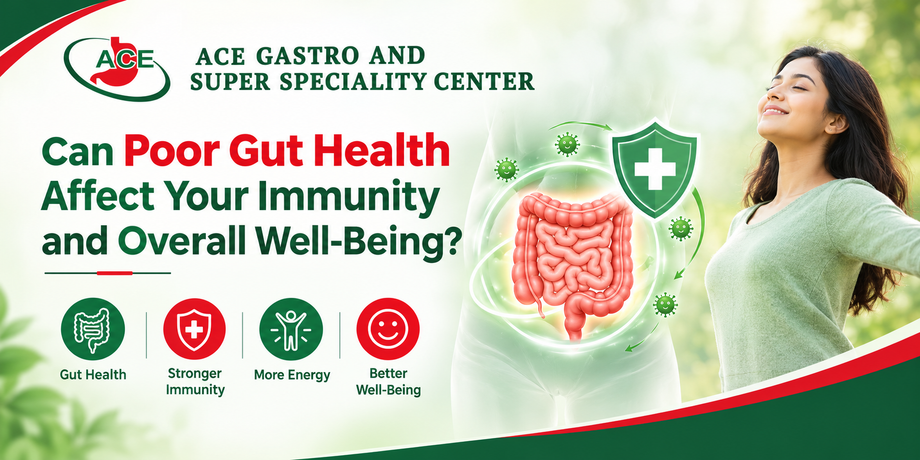
Your gut does more than digest food. Your gut also supports your system, helps absorb nutrients, and keeps your whole body healthy. When the digestive system doesn't work properly, your gut may affect how your body fights infections and handles daily tasks. Seeing a Gastrology Doctor in Jaipur can help spot digestive problems and show whether your gut is hurting your overall well‑being.
Understanding the Connection Between Gut Health and Immunity
Your digestive tract houses trillions of organisms, including helpful bacteria that make up the gut microbiome. These organisms help break down foods, aid nutrient absorption, and keep your intestines healthy.
A big part of the body's systems is linked to the gastrointestinal tract. The gut lining acts as a shield, guiding how the body reacts to foods and other substances. Helpful gut bacteria talk to cells and help normal immune functions.
When the balance of gut microorganisms is broken, a state known as dysbiosis, digestive problems can arise. Yet poor gut health does not automatically mean your immunity is weak. Many factors—such as diet, sleep, stress, medicines, and hidden health issues—can affect both immune health.
Signs That Your Gut Health May Need Attention
Digestive symptoms may happen sometimes. When they occur often or do not go away, they deserve attention. Common signs include:
- Bloating and gas: Extra gas or a full belly can result from food intolerance, constipation, or other digestive problems.
- Frequent indigestion: Pain after meals, nausea, or a feeling of fullness can disrupt life.
- Changes in bowel habits: Ongoing constipation, diarrhea, or irregular bowel movements can signal a digestive problem.
- Discomfort: Repeated stomach pain or cramps should not be ignored, especially when other symptoms appear.
- Unexplained fatigue: Poor nutrient absorption or certain digestive conditions may cause tiredness.
These symptoms can come from many causes, so they should not be used alone to diagnose an immune problem. If they keep happening. Get worse, seeing a doctor can uncover the root cause.
How Poor Gut Health Can Affect Well-Being
The digestive system supports functions that keep the body healthy. When digestive problems keep happening, their effects can spread beyond the stomach.
1. Reduced Nutrient Absorption
The body needs vitamins, minerals, proteins, and other nutrients to maintain immune function. Some digestive disorders can block nutrient absorption, creating deficiencies that lower energy and overall health.
2. Changes in Gut Microbiome Balance
A diverse gut microbiome supports digestion and immune regulation. Things like diet, infections, and some medicines can change the microbiome. These changes differ for each person. Not every change causes sickness.
3. Increased Digestive Discomfort
Frequent bloating, acidity, constipation, or diarrhea can disturb sleep, appetite, focus, and daily routines. Treating the underlying problem can improve quality of life.
4. The Gut-Brain Connection
The gut and brain talk via nerves, hormones, and other biological ways. Stress can make digestive symptoms worse, while constant digestive discomfort can change mood and sleep. This link shows why both physical and emotional health matter.
When Should You Consult a Gastro Specialist?
Occasional digestive discomfort may get better with lifestyle changes, but repeated symptoms need proper assessment. A Gastro Specialist in Jaipur can examine your symptoms, history, diet, and medicines to see if more investigations are needed.
Depending on the suspected cause, evaluation may involve blood tests, stool tests, or endoscopic procedures. Treatment changes with the diagnosis. May include diet changes, proper medicines, or handling an underlying condition.
Seek medical help if you face severe abdominal pain, bleeding after a meal, black or bloody stools, or signs of serious dehydration. Unexplained weight loss, persistent vomiting, or difficulty swallowing also need medical care.
Practical Ways to Support Gut Health
Healthy daily habits can support digestion and overall well‑being.
- Eat a diet: Add vegetables, fruits, whole grains, pulses, and other fiber‑rich foods as tolerated.
- Stay hydrated: Drink water to support normal digestion and bowel movements.
- Include food sources: A diverse diet supplies nutrients and substrates that support gut bacteria.
- Exercise regularly: Physical activity supports bowel regularity and overall health.
- Manage stress: Relaxation techniques, regular activity, and enough sleep may reduce stress‑related symptoms.
Use antibiotics responsibly: Antibiotics can alter gut bacteria. Must be used only under the direction of a qualified healthcare professional.
If symptoms continue after these steps, it is better to seek professional assessment instead of relying on restrictive diets or unverified gut‑health supplements.
Final Thoughts
Gut health and immunity are tightly linked, making digestive wellness a key part of health. Persistent bloating, irregular bowel movements, or recurring discomfort should not be ignored. For evaluation and suitable care, consult Dr. Sushil Kumar Jain at ACE Gastro Super Speciality Clinic, Jaipur, to talk about digestive concerns and proper treatment options.
People Also Ask
1. Can poor gut health weaken immunity?
Certain digestive disorders can disturb nutrient absorption and immune function. Digestive symptoms alone do not automatically show weak immunity, and the root cause must be examined.
2. Which foods help support gut health?
Fiber‑rich foods like fruits, vegetables, whole grains, and pulses can aid digestion. Fermented foods may also suit some people. Dietary choices should be tailored to tolerance and medical conditions.
3. Can stress affect gut health?
Yes. The gut and brain communicate through pathways, and stress can worsen symptoms such as abdominal discomfort, bloating, and changes in bowel habits in some people.
4. When should I seek advice for digestive problems?
Consult a doctor if symptoms are persistent, recurrent, or disruptive to life. Severe abdominal pain, blood in the stool, vomiting blood, or severe dehydration need urgent medical care.

Comments
Post a Comment