Why Indigestion Happens After Every Meal
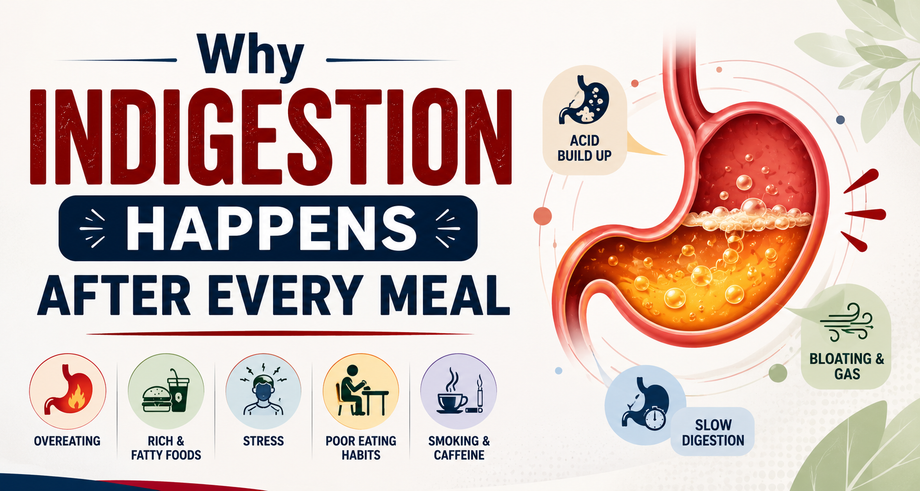
Experiencing indigestion after every meal can be frustrating and may affect your daily quality of life. While occasional digestive discomfort is common, persistent symptoms should not be ignored. Consulting the Best Gastroenterologist in Jaipur can help identify the underlying cause and prevent potential complications. Indigestion often presents as bloating, fullness, stomach discomfort, nausea, excessive gas, or a burning sensation in the upper abdomen after eating. Understanding why these symptoms occur is the first step toward finding effective relief.
What Is Indigestion?
Indigestion, medically known as dyspepsia, is not a disease itself but a collection of symptoms that indicate a problem within the digestive system. It can occur occasionally due to overeating or consuming certain foods, but when it happens after nearly every meal, it may signal an underlying digestive disorder.
The digestive system plays a vital role in breaking down food and absorbing nutrients. Any disruption in this process can lead to recurring discomfort. According to digestive health specialists, chronic indigestion often requires a detailed evaluation to determine its exact cause and appropriate treatment.
Common Causes of Indigestion After Every Meal
Eating Too Quickly
Many people rush through their meals without realizing the impact on digestion. Eating too quickly causes you to swallow excess air and prevents proper chewing. As a result, the stomach has to work harder to digest food, leading to bloating and discomfort after meals.
Overeating
Large portions place additional pressure on the digestive system. When the stomach becomes overly full, digestion slows down, increasing the likelihood of indigestion, acid reflux, and abdominal discomfort.
Fatty and Spicy Foods
Foods that are high in fat, heavily processed, or excessively spicy can trigger digestive symptoms in some individuals. These foods may delay stomach emptying and irritate the digestive tract, causing recurring indigestion after meals.
Excessive Caffeine and Carbonated Drinks
Frequent consumption of coffee, soft drinks, and other caffeinated beverages can stimulate acid production and contribute to digestive discomfort. Carbonated drinks may also increase bloating and gas.
Digestive Disorders Linked to Chronic Indigestion
Gastroesophageal Reflux Disease (GERD)
GERD occurs when stomach acid repeatedly flows back into the esophagus. This condition often causes heartburn, chest discomfort, sour taste, and indigestion after eating. Many patients who experience chronic indigestion are eventually diagnosed with GERD.
Gastritis
Gastritis refers to inflammation of the stomach lining. It can develop due to infections, long-term use of certain medications, excessive alcohol consumption, or chronic irritation. People with gastritis frequently experience indigestion, nausea, and upper abdominal pain after meals.
Peptic Ulcers
Peptic ulcers are open sores that develop in the stomach or upper part of the small intestine. These ulcers can interfere with normal digestion and cause persistent discomfort after eating.
Irritable Bowel Syndrome (IBS)
IBS is a common digestive disorder that affects bowel function and overall digestive health. Symptoms may include bloating, abdominal pain, gas, constipation, diarrhea, and indigestion. An evaluation by the Best Gastroenterologist in Jaipur can help determine whether IBS is contributing to your symptoms.
Gallbladder Disorders
The gallbladder helps digest fats by releasing bile into the digestive tract. Conditions such as gallstones or gallbladder inflammation can lead to indigestion, especially after consuming fatty meals.
Can Stress Cause Indigestion?
Yes, stress can significantly affect digestive health. The digestive system and brain communicate closely through what is often called the gut-brain connection. When stress levels increase, digestion may slow down, stomach acid production can change, and symptoms of indigestion may worsen.
People who experience ongoing stress, anxiety, or poor sleep often report more frequent digestive complaints. Managing stress through exercise, meditation, and healthy lifestyle habits may help reduce symptoms.
Warning Signs You Should Not Ignore
While mild indigestion may resolve on its own, certain symptoms require medical attention. Seek professional evaluation if you experience:
- Unexplained weight loss
- Difficulty swallowing
- Persistent vomiting
- Severe abdominal pain
- Blood in stools
- Frequent heartburn
- Loss of appetite
These symptoms may indicate a more serious digestive condition that requires prompt diagnosis and treatment.
How Dr. Sushil Kumar Jain Diagnoses Chronic Indigestion
Dr. Sushil Kumar Jain has extensive experience in diagnosing and managing a wide range of gastrointestinal disorders. As the Best Gastroenterologist in Jaipur, he focuses on identifying the root cause of symptoms through a detailed clinical evaluation and evidence-based diagnostic approach.
Depending on the patient's condition, investigations such as endoscopy, laboratory tests, imaging studies, and other gastrointestinal assessments may be recommended. Early diagnosis allows for timely treatment and better long-term outcomes.
Tips to Improve Digestive Health
Simple lifestyle modifications can make a significant difference in reducing indigestion:
- Eat meals slowly and chew food thoroughly.
- Avoid overeating.
- Limit fatty, fried, and spicy foods.
- Stay hydrated throughout the day.
- Exercise regularly.
- Maintain a healthy body weight.
- Reduce stress through relaxation techniques.
- Avoid lying down immediately after meals.
These habits support healthy digestion and may help prevent recurring symptoms.
Conclusion
Indigestion after every meal is not something you should ignore. While poor eating habits and lifestyle factors often contribute to digestive discomfort, persistent symptoms may indicate an underlying condition such as GERD, gastritis, IBS, or peptic ulcers. Early diagnosis plays an important role in preventing complications and improving quality of life. Dr. Sushil Kumar Jain is recognized as the Best Gastroenterologist in Jaipur for his expertise in diagnosing and treating complex digestive disorders. If you regularly experience indigestion after meals, consulting the Best Gastroenterologist in Jaipur can help you identify the cause and receive personalized treatment for lasting digestive health.
Comments
Post a Comment